

Confidence Before Obedience
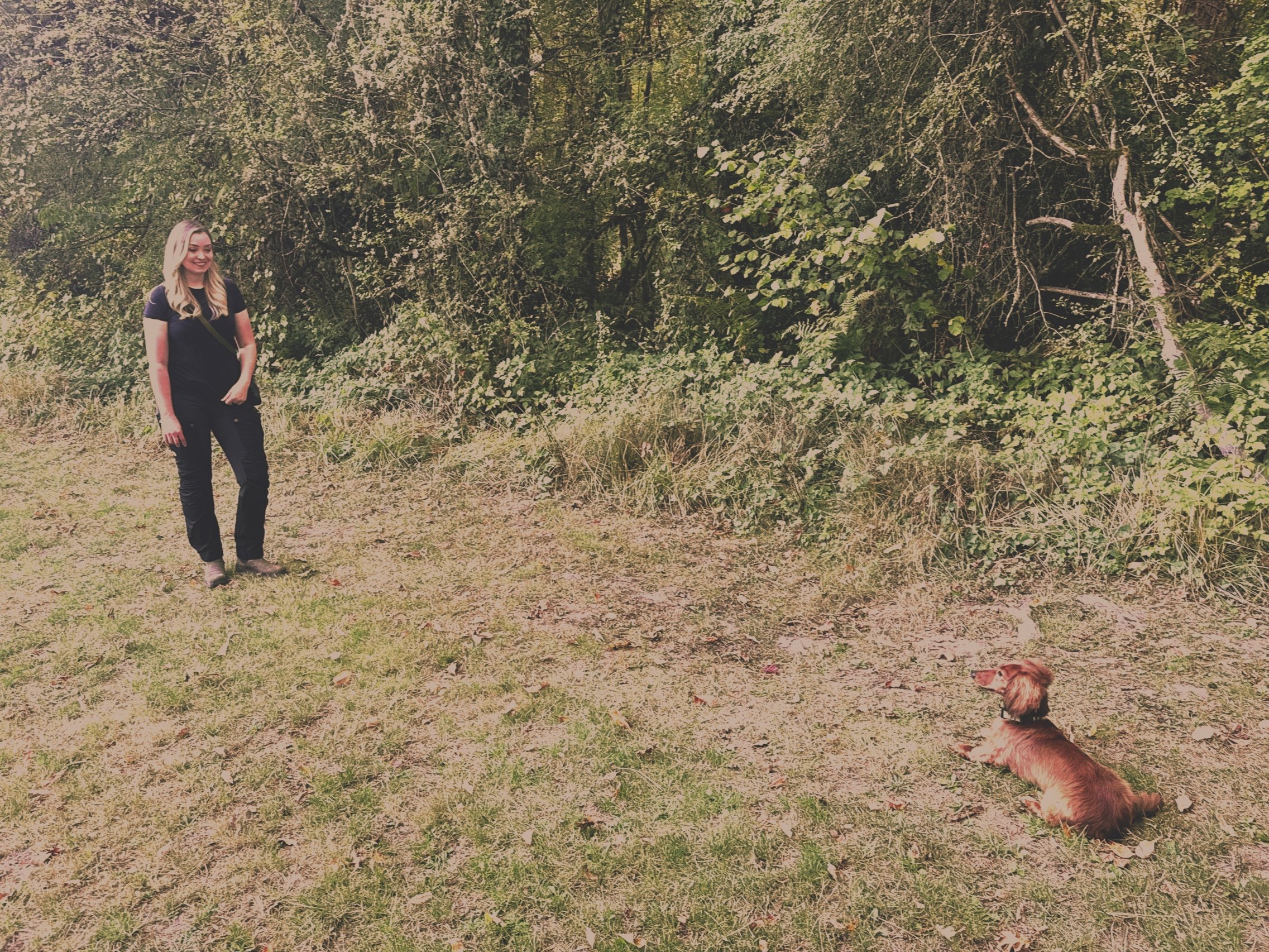
We talk a lot about behavior, but rarely about the nervous system behind it.
We spend so much time teaching dogs what to do that we forget to consider how they feel. But obedience means very little if a dog doesn’t feel safe enough to exist in their own skin. Before cues, before structure, before expectations—there must be confidence.
In a world of checklists, cue lists, and polished obedience videos, it’s easy to believe that training starts with commands. Sit. Down. Stay. Heel.
But after raising two of my puppies—Bear, now 1.5 years old, and Enzo, 10 months—I’ve been reminded of something far more important:
Confidence comes before obedience.
Before either of my pups ever learned a formal cue, our focus was on helping them feel safe, secure, and grounded in their world. Confidence is the foundation everything else is built on. Without it, obedience becomes fragile—something that falls apart the moment the environment feels overwhelming.
When a puppy feels safe, they’re free to explore. They’re willing to try, to make mistakes, and to recover from them. That sense of security opens the door for curiosity, resilience, and new behaviors to naturally emerge. It’s how dogs begin to come out of their shells.
This mindset also dovetails directly into our training relationship. We all fail. We all have hard days—dogs and humans alike. Training isn’t a straight line, and it shouldn’t feel like constant pressure to perform.
It’s important to let dogs win—to feel successful and accomplished. Sometimes that success comes through play. Sometimes it’s a quick, easy win at the end of a session or ending on a high note. Those moments build confidence just as much as structured training does.
When things start to feel hard or frustration creeps in, we pause. We have fun. We reset. And only then do we return to the point of difficulty—working through it together, not against each other. That partnership matters. Confidence grows when dogs learn they’re supported through challenges, not corrected through them.
Only once this foundation is in place does obedience truly matter. A confident dog learns faster, recovers quicker, and works with clarity instead of stress. Their obedience becomes a choice rooted in trust—not fear or pressure.
With Bear and Enzo, prioritizing confidence first hasn’t slowed our progress—it’s strengthened it. Their skills are more reliable, their engagement is deeper, and their joy in the work is unmistakable.
So if you’re raising a puppy or navigating a training plateau, take a step back and ask:
Does my dog feel safe here? Confident here? Supported enough to try again?
Because when confidence comes first, obedience has room to grow—and the relationship grows right alongside it.
